
Ten Places to See Before You’re 40 - And Why We Picked Them
How to do Dubai well, whether you have three days or seven.
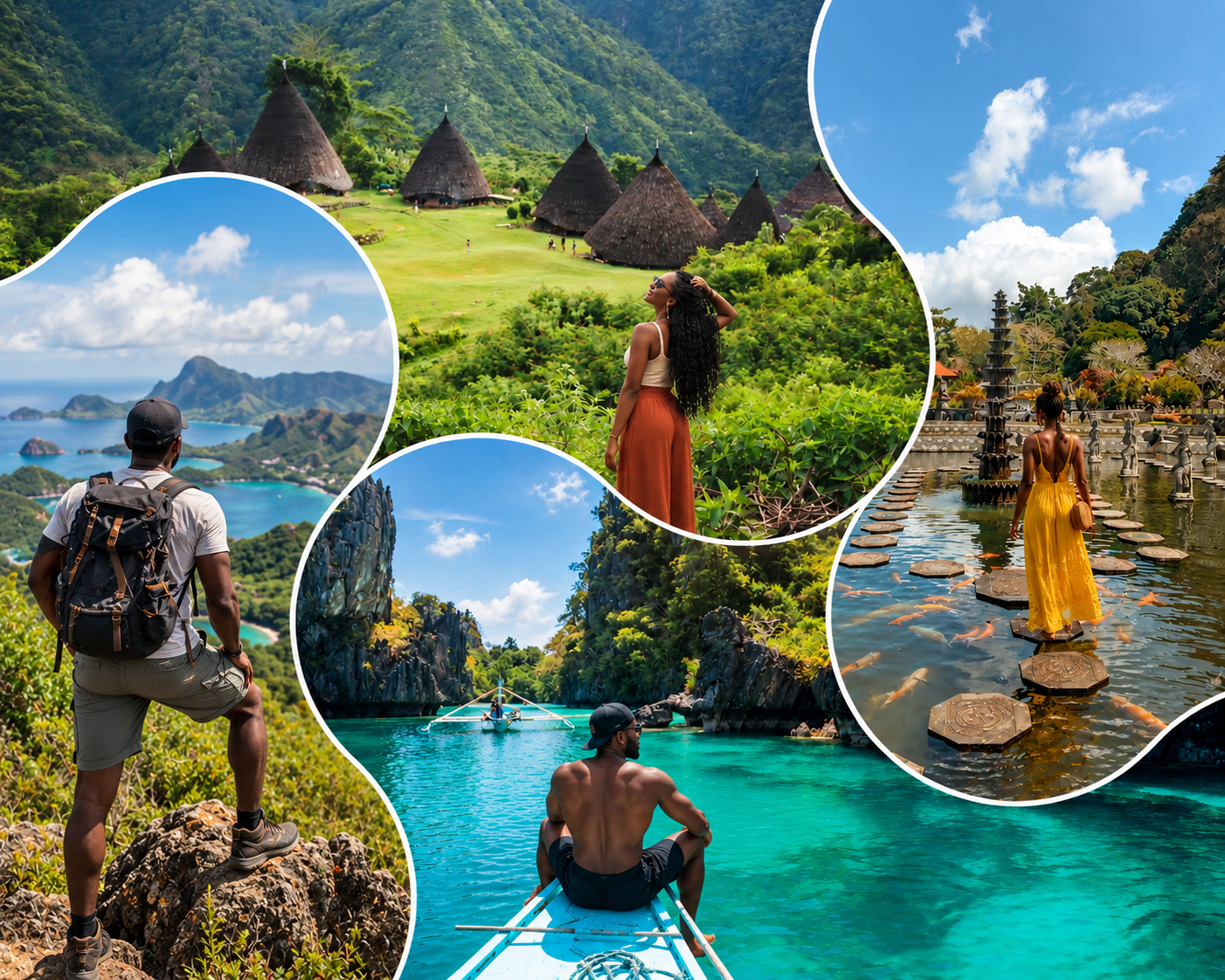
Most “bucket list” pieces borrow their urgency from mortality, which is both morbid and a little lazy - nobody actually plans a trip around the vague math of how many decades they might have left. The more honest deadline isn’t death. It’s smaller, more specific windows that close quietly and much sooner: knees that handle altitude differently at 45 than at 30, permits that get scarcer and pricier every year demand outpaces supply, and a kind of unscheduled flexibility that tends to shrink the moment a mortgage, a promotion, or a child’s school calendar enters the picture.
So instead of the usual “world wonders” list, this is ten places chosen for a specific reason each - and the reason is usually some version of a closing window, not just a pretty photo. Some of these you can reach in an afternoon from Nairobi. A few will take real planning. All ten are worth building an actual trip around before forty makes them harder to get to, not because forty is old, but because the version of you with the most options for reaching them is the one you have right now.
1. Lamu Old Town, Kenya
Kenya’s oldest living Swahili settlement has no cars - the streets were built too narrow for them centuries before anyone needed to make that decision on purpose. Everything moves by donkey, dhow, or foot, and the effect isn’t quaint so much as genuinely disorienting for anyone used to a phone telling them how far anything is. We picked it because it’s the closest thing on this list to time travel, and because the coast around it keeps changing - the reason to go isn’t urgency about Lamu disappearing, it’s that the unhurried version of it is the one worth experiencing, and that version gets a little harder to find every year new development reaches the mainland across the channel.
2. Volcanoes National Park, Rwanda
Gorilla trekking is the rare bucket-list item that’s genuinely gated by scarcity, not just marketing. Rwanda releases a fixed number of permits daily across its habituated gorilla families, foreign visitors pay well into four figures for one, and demand has only grown as the experience gets more written about. It’s also a real hike - several hours at altitude through dense forest, no guarantees on timing, no shortcuts. We picked it for the version of you that can still do that hike without thinking twice about it, because the trek doesn’t get any shorter as the years go on, and the permits don’t get any cheaper.
3. Stone Town, Zanzibar
Most Kenyans who’ve done Zanzibar have done the beach and skipped the town, which is a shame, because Stone Town is one of the most layered places on the East African coast: Omani, Persian, Indian, and Swahili influence stacked into the same carved doorways, the same narrow alleys, the same spice-trade history that shaped how half the region eats. It’s an easy trip from Nairobi and doesn’t ask much of you logistically. We picked it precisely because it’s underrated by people who could go tomorrow if they wanted to - the kind of place that’s easy to keep postponing exactly because it’s easy, until it’s been ten years of postponing.
4. Ubud, Bali
Not a sight so much as a practice - Ubud’s rice-terrace retreats and its tradition of Balinese healers (locally called balians, a real, generations-old practice long before wellness tourism discovered it) aren’t selling relaxation so much as teaching an actual skill: how to be properly still without needing an emergency to force it. That distinction matters, because rest learned this deliberately tends to stick in a way a single good holiday doesn’t. We picked it as the counterweight to almost everything else on this list - no permit, no altitude, no quota - because learning to genuinely switch off is its own closing window, and it’s a much easier one to open before a decade of treating rest as something you earn rather than something you practice.
5. Victoria Falls, Zambia/Zimbabwe
Everyone’s seen the photos; almost nobody who’s actually stood at the edge of it describes it the same way as the photos suggest. The scale and the mist and the sound do something a screen genuinely can’t replicate, and the adventure options built up around it: white-water rafting the gorge below, the bungee off the bridge, walking distance from the spray - reward a body that’s still up for saying yes to those without negotiating with itself first. We picked it as the one “iconic” entry on this list that actually earns the label in person, which isn’t true of every famous landmark.
6. Cape Town, South Africa
Less a single sight than a different rhythm entirely - mountain and ocean and a genuinely walkable, livable city inside the same afternoon, close enough to Nairobi to not require the full disruption of a long-haul trip. We picked it as the “what if” entry: the kind of place that quietly makes you reconsider your own pace of life for a week, which is a specific and useful thing to feel before your pace of life has fully calcified into whatever it’s going to be.
7. Mount Kinabalu, Malaysia
Southeast Asia’s highest peak between the Himalayas and New Guinea runs a strict daily quota on climbers, and the mountain huts that make the summit push possible sell out fast enough that most people book six months ahead just to get a bed. The climb itself is two days, not technical but genuinely demanding - a long ascent through rainforest on day one, then a 2 a.m. push up bare granite for a summit sunrise on day two, no shortcuts available regardless of how badly you want one. We picked it as the Southeast Asia entry that most directly rewards planning ahead: the quota doesn’t loosen with age, and neither does the appeal of a 2 a.m. start.
8. Kyoto, Japan
The counterweight to everything adventurous on this list. Kyoto rewards patience in a way most destinations don’t ask for anymore: temples that are more interesting the second hour than the first, a city built around seasonal attention (cherry blossoms in spring, maple color in autumn) that requires you to actually plan around a season rather than just showing up. We picked it because slow travel is a skill, not just an aesthetic, and it’s worth building that skill somewhere this beautiful while you still have the patience to let a city teach it to you.
9. Tromsø, Norway (or anywhere else north enough for the aurora)
The northern lights are famously not guaranteed - you can do everything right and still not see them, because they answer to solar activity and clear skies, not itineraries. That unpredictability is exactly why we picked it: chasing something with no fixed payoff requires a kind of unscheduled flexibility: extra nights, no firm plans, a willingness to just wait outside in serious cold on the chance tonight’s the night - that gets measurably harder to justify once annual leave has to be split three ways between a job, a family, and everyone else’s plans instead of just your own.
10. Fiji
The one entry on this list that’s genuinely visa-free for Kenyan passport holders, which matters more than it sounds like it should - a huge amount of the world requires paperwork, appointments, and proof of funds before it’ll even let you book the flight, and it’s easy to let that friction quietly decide where you go instead of actual desire. We picked Fiji as a reminder that the passport a lot of Kenyans experience as limiting still opens real doors, including ones fourteen hours by air in the opposite direction from everywhere it’s “supposed” to take you.
Why forty, specifically
None of this is about racing a clock in a panic. It’s closer to the opposite - these are the ten places on our list precisely because each one has a genuine, specific reason to go earlier rather than later, whether that’s a permit, a hike, a season, or just the honest fact that unscheduled time gets harder to claim the more life fills in around it. Forty doesn’t close any of these doors. It just makes you knock on them from a slightly more complicated angle. Better to walk through while the angle’s still simple.